
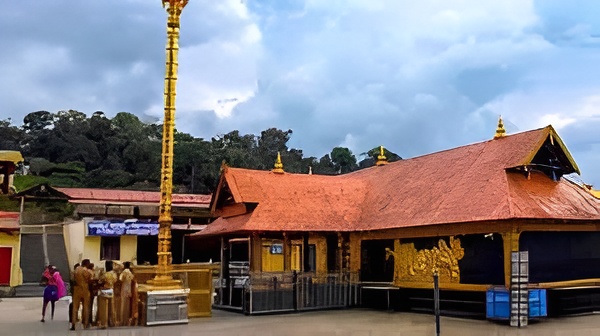
The Sree Ayyappan Temple in Coimbatore is one of the most popular and beautifully maintained temples in Tamil Nadu. Often called the “Second Sabarimala”, it is dedicated to Lord Ayyappan, the deity known for symbolizing dharma, devotion, and discipline.
Built in traditional Kerala-style architecture, this temple attracts thousands of devotees, especially during the Mandala–Makaravilakku season (November to January). The temple’s serene atmosphere and spiritual energy make it a must-visit destination in the city.
The Sree Ayyappan Temple in Coimbatore, located near Siddhapudur, is one of the most revered shrines in Tamil Nadu and is often referred to as the “Sabarimala of Coimbatore.” Dedicated to Lord Ayyappan, the temple stands as a symbol of devotion, discipline, and unity, attracting thousands of devotees throughout the year. Constructed in the traditional Kerala architectural style, the temple features sloping tiled roofs, intricately carved wooden panels, and a peaceful ambiance that reflects the essence of spirituality.
What makes this temple special is its strong resemblance to Sabarimala — from the Pathinettam Padi (18 holy steps) to the rituals and chants that echo with divine energy. Devotees who are unable to travel to Sabarimala find solace here, following similar customs like wearing the mala, observing vratham, and carrying Irumudi Kettu. The serene atmosphere, especially in the early morning hours during Mandala-Makaravilakku season, fills the surroundings with the fragrance of camphor, sandalwood, and devotion.
Inside the temple, the main sanctum houses the idol of Lord Ayyappan in a majestic standing posture, radiating calmness and power. There are also sub-shrines dedicated to Lord Ganesha, Lord Shiva, Lord Vishnu, and Maalikapurathamma, offering a complete spiritual experience for visitors. The temple pond (Pushkarini), with its still waters reflecting the shrine’s golden flagpole, adds to the temple’s charm and serves as a space for meditation and purification rituals.
During festive seasons such as Mandala Pooja, Makaravilakku, Vishu, and Thiruvonam, the temple becomes a vibrant center of devotion and culture. The chants of “Swamiye Saranam Ayyappa” resonate in the air as devotees gather in large numbers, dressed in black or blue, holding lamps and offerings. The temple also engages in various community activities, charity drives, and Annadhanam (free food distribution), reflecting its commitment to spiritual service and social welfare.